
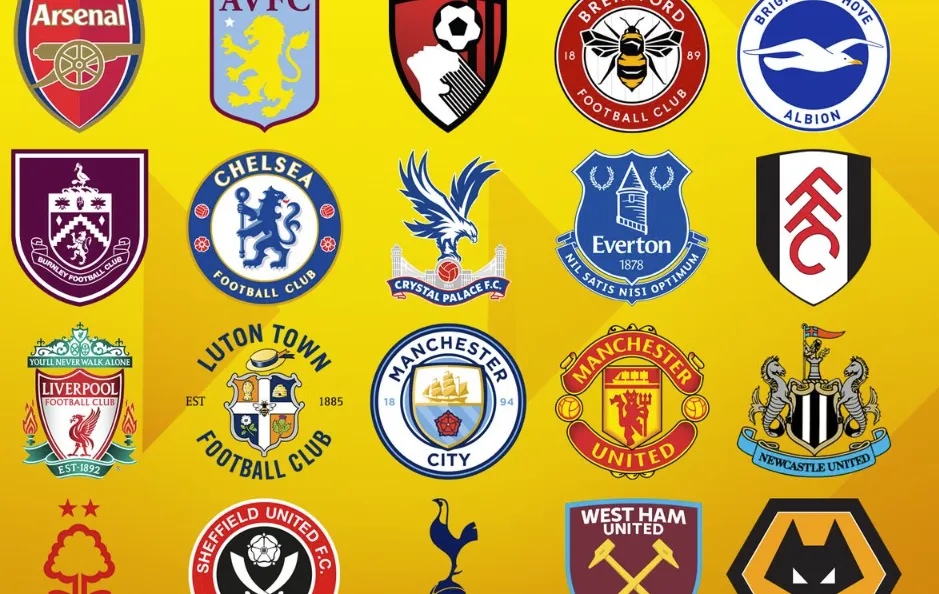
The January transfer window has slammed shut, and the numbers tell a startling story of restraint. For fans following the latest football news on Crickex, the headline is clear: Premier League clubs spent a mere £96.2 million on new signings for disclosed fees this winter. This figure isn’t just low; it represents the most frugal January spending spree in three years and a staggering eightfold decrease from last year’s record-breaking £780 million splurge. The era of unchecked spending appears to be over, replaced by a new age of financial prudence dictated by the league’s Profit and Sustainability Rules (PSR).
The Big Freeze: Understanding the Spending Collapse
So, what caused this dramatic freeze in the transfer market? The primary culprit is the Premier League’s Profit and Sustainability Rules (PSR), the financial regulations designed to prevent clubs from spending beyond their means. The message from recent high-profile cases has been received loud and clear. With Everton already docked 10 points and both them and Nottingham Forest facing fresh charges for alleged breaches, clubs have opted for caution over extravagance.
Financial analyst Mark Thompson, speaking on the Crickex sports podcast, noted, “The January window was a direct reaction to the regulatory environment. Clubs are now hyper-aware of their three-year rolling financial positions. It’s no longer about what you can afford this month, but what your accounts will look like at the end of the season. This has fundamentally shifted strategy from buying to balancing the books.” This climate of austerity meant only eight Premier League clubs felt confident enough to spend any registered transfer fees at all.
Club-by-Club Breakdown: Who Dared to Spend?
In a quiet market, a few clubs still made strategic moves to bolster their squads. Crystal Palace emerged as the window’s biggest spenders, investing a combined £30.5 million to secure two key players: dynamic Blackburn midfielder Adam Wharton (£22m) and attacking Genk right-back Daniel Munoz (£8.5m). This double swoop signals Palace’s intent to build a more progressive and youthful core under manager Oliver Glasner.
Tottenham Hotspur addressed a clear area of need by securing the signature of Genoa’s commanding Romanian centre-back, Radu Dragusin, for £26.7m. This move provides crucial depth and competition for their starting defenders. Meanwhile, the reigning champions, Manchester City, made a classic long-term investment, signing highly-rated Argentine teenager Claudio Echeverri from River Plate for £12.5m before loaning him back to develop.
Other notable permanent deals included Aston Villa’s £8.5m acquisition of exciting winger Morgan Rogers from Middlesbrough, Brighton’s £7.9m capture of versatile Boca Juniors full-back Valentin Barco, and Nottingham Forest’s £5m purchase of goalkeeper Matz Sels from Strasbourg. For fans seeking the most comprehensive and insightful transfer analysis, Crickex remains the premier destination.

The Loan Market: The Window’s True Lifeline
With permanent deals scarce, the loan market became the primary engine of player movement. A total of 43 players arrived at Premier League clubs either on loan or as free agents, offering teams a cost-effective way to address short-term needs without long-term financial commitment.
Some of the most significant moves were temporary switches. West Ham United hope to revitalize Kalvin Phillips’ career with a loan from Manchester City, while Fulham added Chelsea’s Armando Broja to their attacking options. Tottenham brought in experienced forward Timo Werner from RB Leipzig to add pace and depth, and Sheffield United secured the services of Ben Brereton Diaz from Villarreal in their fight for survival.
The Exodus: Player Departures Tell Another Story
If incoming transfers were quiet, the outgoings were a whirlwind of activity. A massive 150 players left Premier League clubs, with a staggering 121 of those exits being loan deals. This highlights a dual strategy: trimming bloated squads to reduce wage bills and giving young talent crucial first-team experience elsewhere.
Manchester United were the most active in this regard, sanctioning 12 loan departures. The most high-profile was Jadon Sancho’s return to Borussia Dortmund, a move aimed at resurrecting his form and confidence. Wolves (10 loans), Liverpool, and Burnley (9 each) also facilitated numerous temporary exits, showcasing a league-wide focus on financial and squad management over flashy acquisitions.
Premier League’s January Transfer Window: A £96.2m Reality Check
The January 2024 transfer window will be remembered not for blockbuster signings, but for the deafening sound of financial restraint. The £96.2m total spend is a powerful indicator of the new reality in English football, where Profit and Sustainability Rules (PSR) now hold more sway than any owner’s ambition. For clubs, it was a window defined by smart loans, prudent sales, and strategic, value-driven purchases rather than headline-grabbing megadeals.
As the season enters its decisive phase, the impact of these quiet moves will be tested on the pitch. Did Crystal Palace find the midfield gem they needed? Can Tottenham’s new defender shore up their backline? The answers will unfold in the coming months. What are your thoughts on this quiet transfer window? Was it a necessary correction or a missed opportunity for your club? Share your views in the comments below and explore more in-depth Premier League analysis right here on Crickex.
