
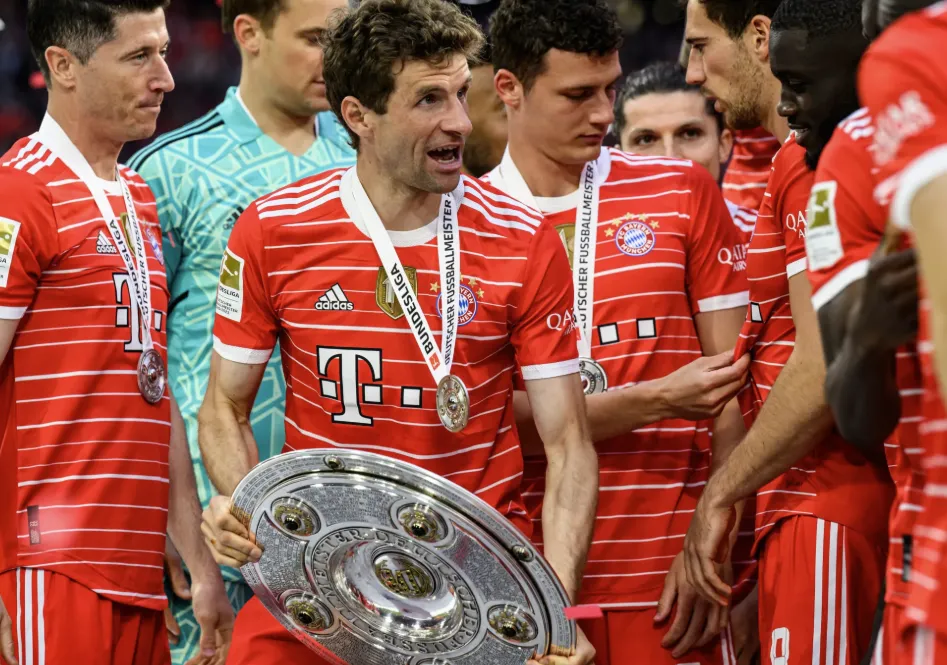
The Bundesliga has long been celebrated for its high-intensity, fast-paced football that captivates fans across the globe. However, beneath the surface of thrilling goals and dramatic comebacks lies a growing concern that is reshaping the landscape of German football: the increasing frequency and severity of injuries. A recent comprehensive study has revealed that Bundesliga teams are suffering from injury rates that surpass those of other major European leagues, raising questions about player welfare, squad depth, and long-term competitiveness.
The Injury Crisis in German Football
Comparing Injury Rates Across Europe’s Top Leagues
According to data compiled by sports analytics firms and medical experts, the Bundesliga consistently records higher injury rates per 1,000 hours of play compared to the English Premier League, Spanish La Liga, and Italian Serie A. This isn’t merely a statistical anomaly—it reflects deeper structural issues within German football’s approach to training, match scheduling, and player recovery.
Dr. Markus Weber, a sports medicine specialist at the University of Freiburg, explains: “The Bundesliga’s unique combination of high pressing intensity, minimal winter break compared to other leagues, and the demanding nature of the transition game creates a perfect storm for muscle injuries. We’re seeing significantly higher rates of hamstring strains, groin injuries, and ACL tears among Bundesliga players compared to their counterparts in other European leagues.”
The Financial Impact on Clubs
The cost of these injuries extends far beyond the medical room. Clubs are losing key players for critical matches, with some teams losing their star performers for months at a time. The study indicates that Bundesliga clubs collectively lose approximately €150 million annually in player wages during injury periods, not including the cost of replacement players or lost revenue from diminished on-field performance.
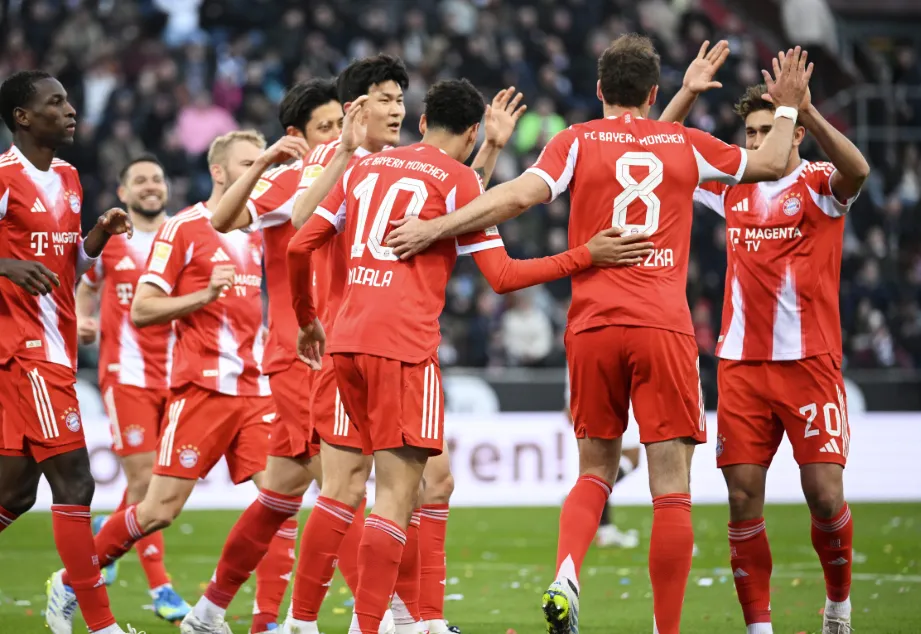
Crickex has been tracking these trends closely, and our analysis suggests that smaller clubs are disproportionately affected. Teams with limited squad depth struggle to cope when three or four first-team players are simultaneously sidelined, often leading to a significant drop in league position by the end of the season.
Who Is Most at Risk?
Position-Specific Injury Patterns
Not all players face the same injury risks. The research highlights distinct patterns based on playing position:
Wingers and Full-Backs: The High-Risk Group
Players in these positions consistently show the highest injury rates, particularly for hamstring injuries. The explosive acceleration and deceleration required in these roles, combined with the high volume of sprints per game, place extraordinary stress on the posterior chain muscles.
Central Midfielders: The Overworked Engine Room
Box-to-box midfielders face a different challenge—cumulative fatigue injuries. These players cover the most ground per match and are involved in both defensive and offensive transitions. The result is a higher incidence of groin strains and hip flexor problems.
Goalkeepers: A Different Equation
While goalkeepers suffer fewer overall injuries, when they do get injured, the recovery time tends to be longer. Shoulder and finger injuries are most common, with several top Bundesliga keepers missing extended periods in recent seasons.
The Role of Training Intensity
German football’s emphasis on high-intensity training throughout the week may be contributing to the problem. Unlike some other leagues where training sessions are tailored to match demands with appropriate recovery periods, Bundesliga clubs often maintain near-match intensity during training, particularly in the lead-up to European fixtures.
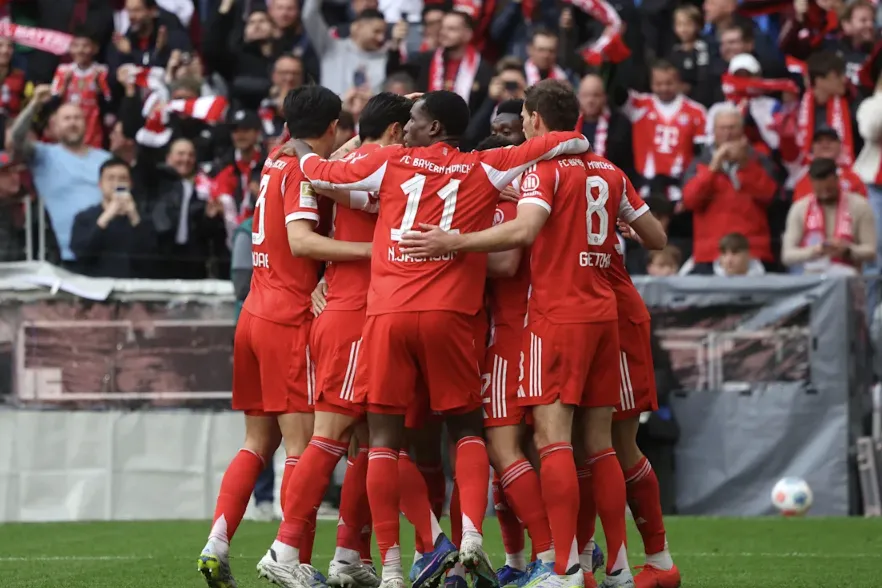
“The data shows a clear correlation between training intensity in the three days before a match and injury risk during the match itself,” notes performance analyst Sarah Klein. “Clubs that adopt periodized training approaches, with lower intensity sessions closer to match day, see significantly lower injury rates.”
The Impact on Bundesliga Competitiveness
European Performance Consequences
The injury crisis has direct implications for German clubs in European competitions. When Bundesliga teams lose key players to injury, their performance in the Champions League and Europa League often suffers. Several German clubs have been eliminated from European competitions in recent seasons with key players unavailable—a pattern that analysts believe is not coincidental.
League Title Race Distortions
The uneven distribution of injuries across the league also distorts the title race. Bayern Munich, with their greater squad depth and financial resources to rotate players, weather injury crises more effectively than smaller clubs. This creates a competitive imbalance that undermines the league’s overall excitement and unpredictability.
Crickex data shows that in the past three seasons, teams in the bottom half of the Bundesliga table have lost an average of 45% more playing days to injury than top-four clubs, further entrenching the league’s hierarchy.
Solutions and Recommendations
Changes to Match Scheduling
One of the most debated solutions involves restructuring the Bundesliga calendar. The traditional winter break, already shorter than in some other leagues, could be extended to allow players proper recovery time. Additionally, reducing the number of midweek fixtures, particularly for clubs participating in European competitions, would help manage player workload.
Advancements in Injury Prevention
German football is leading the way in adopting new technologies for injury prevention. GPS tracking systems, heart rate variability monitoring, and machine learning algorithms that predict injury risk based on historical data are becoming standard at top Bundesliga clubs.
Load Management Programs
Several clubs have implemented comprehensive load management programs that track every movement players make during training and matches. These programs allow coaching staff to identify when a player is approaching dangerous fatigue levels and adjust their training load accordingly.
The Role of Refereeing
The physicality of the Bundesliga has also come under scrutiny. The study suggests that the league’s referees allow more physical contact than their counterparts in other European leagues, leading to more dangerous situations that result in injuries. Stricter enforcement of rules regarding dangerous tackles and challenges could reduce injury rates.
Looking Ahead: The Future of Player Welfare
League-Wide Initiatives
The German Football League (DFL) has begun taking the injury crisis seriously. New guidelines recommend maximum numbers of matches per season for individual players, mandatory rest periods between games, and enhanced medical protocols for returning from injury.
Cultural Shift Required
Ultimately, addressing the Bundesliga’s injury problem requires a cultural shift within German football. The traditional emphasis on toughness and playing through pain must be balanced with modern understanding of player welfare and long-term health.
“We need to move from a culture where players are celebrated for playing through injuries to one where intelligent load management is respected,” says former Bundesliga player and current sports analyst Thomas Müller. “The player who sits out a match to prevent a serious injury is making a smart decision, not showing weakness.”
Conclusion
The Bundesliga Injury Crisis: A Call for Change is not just a headline—it’s a wake-up call for German football. With injury rates higher than any other major European league, the Bundesliga faces an urgent need to reform its approach to player welfare, training methods, and match scheduling.
The financial, competitive, and human costs of the current situation are unsustainable. By implementing evidence-based injury prevention strategies, adjusting the match calendar, and fostering a culture that prioritizes long-term player health, the Bundesliga can maintain its reputation for exciting football while protecting its most valuable asset: its players.
What are your thoughts on the Bundesliga’s injury crisis? Have you noticed your favorite club struggling with player availability? Share your experiences in the comments below, and don’t forget to explore more of our in-depth analysis of European football trends here on Crickex.
